PRECISE
RESTORATION & REMODELING
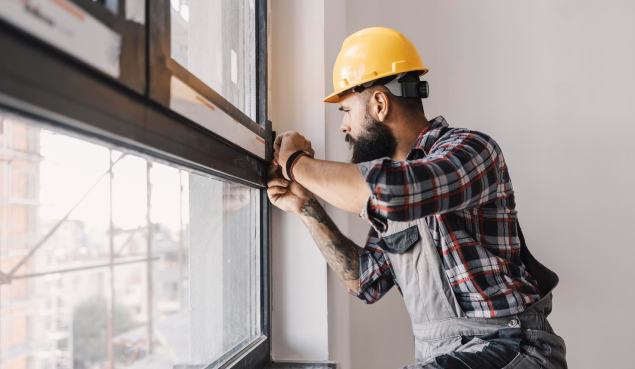
You’ve finally scheduled that window and door replacement you’ve been putting off for years. New windows mean better energy efficiency, improved curb appeal, and no more struggling with frames that stick every time the humidity spikes. But before the installation crew arrives, a little preparation on your end makes the entire process faster, smoother, and less stressful for everyone involved.
Texas homeowners face unique challenges when it comes to window and door installation projects. The heat, humidity, and occasional severe weather mean your home needs to be ready for installers to work efficiently while minimizing the time your house is exposed to the elements. Proper preparation also protects your belongings, keeps your family safe, and helps the crew focus on delivering quality results rather than working around obstacles.
At Precise Restoration & Remodeling, we’ve helped over 200 San Antonio homeowners upgrade their windows and doors with minimal disruption to their daily lives. We understand your space and your needs, handling repairs, upgrades, and renovations with care and precision.
Installers need unobstructed access to every window and door being replaced, and clearing these areas ahead of time prevents delays and protects your valuables.
Move furniture at least three to four feet away from each window and door scheduled for replacement. This gives installers room to work safely and protects your pieces from accidental bumps or dust. Heavy items like sofas, bookshelves, and entertainment centers should be relocated to another room entirely if possible.
Before the crew arrives, make sure to:
Even the most careful installers generate dust during window removal. Protect floors with drop cloths or plastic sheeting, especially hardwood, tile, or carpet. Cover furniture that can’t be moved with sheets or tarps to prevent dust from settling.
If you have valuable artwork, antiques, or electronics near installation zones, consider moving them to a completely separate area of the house until the project is complete.
The outside of your home needs attention, too, especially in Texas, where landscaping and outdoor living spaces often surround windows and entry points.
Trim back bushes, shrubs, and tree branches that block access to exterior window and door frames. Installers need room to maneuver ladders, tools, and the new units themselves, and overgrown vegetation slows the process considerably.
Items to move away from the house include:
If you have delicate flower beds beneath windows, cover them with plywood or heavy tarps to protect plants from falling debris and foot traffic.
Check that pathways to all work areas are clear and stable. Remove anything that could create tripping hazards, and make sure the ground beneath windows is level and firm enough to support ladders safely.
Let your installer know about any underground sprinkler lines, buried cables, or other hidden obstacles near exterior work areas before work begins.
Beyond clearing furniture, several other indoor tasks help the installation day run smoothly.
Window and door installation creates dust that can enter your ductwork and reduce air quality throughout your home. Consider turning off your HVAC system during installation or, at a minimum, changing filters immediately afterward. Closing vents in rooms where work is happening also helps keep debris from circulating.
Installation zones aren’t safe for curious pets or young children. Open window frames, power tools, and sharp materials create hazards that require keeping little ones and four-legged family members in a separate, secured area of the house.
Options for keeping pets safe include:
The noise and activity can stress animals, and an open door or window creates escape opportunities you definitely want to avoid.
Make sure installers can easily enter your home and access all work areas. If you have security systems, alarm codes, or locked gates, share that information ahead of time. Clear your driveway or designate nearby parking for the installation vehicle since crews arrive with tools, equipment, and your new windows and doors loaded on their truck.
Knowing what happens during installation helps you plan your day and reduces surprises.
Most window and door installation projects take one to two days, depending on the number of units being replaced and the complexity of the work. Your installer should provide a realistic timeline during your consultation so you can plan accordingly.
Texas weather can impact scheduling, especially during summer storms or extreme heat advisories. Discuss contingency plans with your contractor in case weather delays the project.
Installation involves removing old frames, which generates dust and noise throughout the process. Plan to spend time in areas of the house away from active work zones, or consider running errands during the loudest portions of the project.
Once installation is complete, walk through every window and door with your installer. Test that each unit opens, closes, and locks properly. Ask questions about operation, maintenance, and warranty coverage before the crew leaves.
Preparing your home for window and door installation doesn’t require major effort, but the small steps you take beforehand make a significant difference in how smoothly the project goes. Clear work areas, protect your belongings, secure pets and children, and ensure easy access for the installation crew.
At Precise Restoration & Remodeling, we guide San Antonio homeowners through every step of the process, from initial consultation through final walkthrough. Our team arrives ready to work efficiently, and your preparation helps us deliver the quality results you deserve without unnecessary delays or stress.
Most projects take one to two days, depending on the number of units and the complexity of the work. Your installer will provide a specific timeline during your consultation based on your home’s requirements.
Being home during installation is recommended so you can answer questions, address unexpected issues, and complete the final walkthrough. If you can’t be present, arrange for another adult to be available.
Yes, remove all curtains, blinds, and window treatments before installation day. This protects your window coverings from damage and gives installers clear access to the frames.
Move furniture at least three to four feet away from each window or door being replaced. For larger pieces, relocating them to another room entirely provides the best protection and workspace.
Texas weather can be unpredictable, so discuss contingency plans with your installer during scheduling. Reputable contractors will reschedule promptly and communicate any changes as soon as weather issues arise.